
Holiday burnout is the exhaustion that builds when travel, disrupted sleep, and back-to-back gatherings outpace the body’s ability to recover. This often manifests as a cold or sudden fatigue just as a trip begins. Factors like airplane cabin air, elevated stress hormones, and skipped meals create additional demands on hydration and immune function during the holiday season. This guide explains what causes holiday burnout, how cabin air affects the body’s natural defenses, which nutrients support immune function during travel, and how intravenous therapy differs from water or oral supplements. It also outlines simple daily habits—from pre-flight hydration to maintaining sleep routines—that help the body handle a demanding holiday season. Vitality Infusions offers an Immune Infusion at its Fort Myers area locations for travelers seeking a rapid, direct way to replenish fluids and nutrients before or after a trip.
What Causes Holiday Travel Burnout?
Holiday travel burnout is the physical and mental fatigue that develops when travel, social demands, and disrupted routines exceed the body’s usual capacity to recover. This fatigue often accumulates gradually in the weeks leading up to a trip and peaks just as a vacation or holiday gathering begins.
Two main factors drive holiday travel burnout. First, packing, travel, and social obligations often disrupt regular routines, such as workouts, sleep schedules, and home-cooked meals. Second, the pressure to finish work and coordinate holiday logistics keeps cortisol, the body’s main stress hormone, elevated for longer than usual. According to Mayo Clinic, chronic stress and elevated cortisol levels alter immune system responses and slow down non-essential processes like digestion. When cortisol remains high for an extended period, the immune system’s capacity to respond is reduced. This is why people often get sick once a busy stretch ends, and they finally slow down.
Why Does Airplane Cabin Air Affect Your Body’s Defenses?
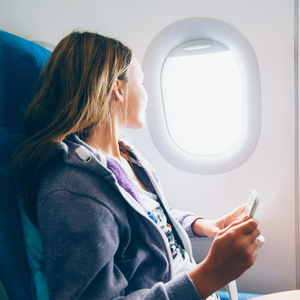
Airplane cabin air affects the body’s defenses because it is unusually dry, and dry air pulls moisture from the mucous tissues lining the nose and airways. Those membranes are part of the body’s first line of defense against airborne viruses and bacteria, and they work best when kept moist.
The Centers for Disease Control and Prevention reports that aircraft cabin air typically measures 10% to 20% humidity, well below the 30% to 60% found in most homes and offices, and that this can dry out the mucous membranes of the eyes and upper airway. Crossing time zones adds another layer of strain. According to the Sleep Foundation, the body’s internal clock, known as the circadian rhythm, governs sleep, mood, performance, hormone release, and immune function, and travel across time zones can throw that clock out of sync for days at a time. Sipping water steadily during a flight and using a saline nasal spray are simple ways to help keep the nose and throat from drying out.
Which Nutrients Support Immune Function During Travel Season?
Vitamin C, zinc, and B vitamins each play a documented role in supporting normal immune function, and travel season often makes it harder to get consistent amounts of them through meals alone.
The National Institutes of Health’s Office of Dietary Supplements states that adequate levels of vitamin C, zinc, and other key nutrients are essential for proper immune function. Deficiencies can weaken immunity and increase vulnerability to infections. Vitamin C, found in citrus fruits, peppers, and broccoli, acts as a water-soluble antioxidant. Zinc, present in meat, shellfish, and legumes, supports the cells that combat viruses and bacteria. B vitamins help maintain energy metabolism, which is especially important when travel disrupts regular meals and sleep. Opting for high-sugar snacks at the airport instead of nutritious meals can make it harder to maintain consistent nutrient levels during travel.
How Is IV Therapy Different From Water or Oral Supplements?
Intravenous, or IV, therapy delivers fluids, electrolytes, and nutrients directly into the bloodstream through a small catheter placed in the arm, bypassing the digestive system entirely. Oral hydration and supplements, by contrast, depend on the gastrointestinal tract to absorb fluids and nutrients, a process that slows when someone is fatigued, stressed, or not eating well, all of which are common during holiday travel.
Vitality Infusions offers an Immune Infusion containing vitamin C, zinc, and B-complex vitamins at its Downtown Fort Myers, Summerlin Plaza, and Margaritaville area locations, with appointments that typically take under an hour. Whether IV therapy, oral hydration, or food is the better fit depends on the individual and the situation. This article is intended as general information, not medical advice, so anyone with a specific health condition should check with a doctor before starting a new supplement or infusion routine.
What Daily Habits Help You Get Through the Holiday Season?

A few consistent habits make the biggest difference: hydrate before travel, protect sleep timing, and move daily.
Starting to hydrate about 24 hours before departure, rather than only during the flight, gives the body time to build up fluid levels. Limiting alcohol and coffee before boarding also helps, since both act as diuretics. Keeping a consistent wake time, even when bedtime shifts around family visits, helps anchor the body’s internal clock so it adjusts faster to a new schedule. A brisk 20-minute walk after a big holiday meal supports digestion and can help clear some of the stress hormones that build up during a hectic week. None of these habits require special equipment or much time, and together they lower the odds of ending a trip feeling worse than when it started.
Frequently Asked Questions
Stress hormones like cortisol typically stay elevated during a busy stretch leading up to a trip, and immune activity can dip once those levels drop, which is one reason symptoms often surface right as a vacation begins.
Starting about 24 hours before departure gives the body time to build up fluid levels instead of trying to catch up during the flight itself.
Oral hydration works well for most everyday situations, though absorption through the digestive tract slows when someone is fatigued or has not eaten much, which is when some travelers consider IV therapy instead.
Not necessarily. According to the National Institutes of Health, supplementation mainly matters for people who are not getting adequate amounts from food, since deficiency, not travel itself, is what most affects immune function.
Jet lag symptoms generally ease within a few days to a couple of weeks as the body’s internal clock adjusts to the new time zone, though the exact timeline varies by person and by how many time zones were crossed.